
🇫🇷 Comment le sel a façonné l’histoire du Portugal pendant plus de 2000 ans
🇬🇧 How Salt Shaped Portuguese History for Over 2,000 Years
🇫🇷 Depuis l’époque romaine, le sel occupe une place centrale dans l’histoire du Portugal. Sur le site archéologique de Tróia, près de Setúbal, plus de 400 cuves ont été identifiées, témoins d’une immense industrie de transformation du poisson et de production de garum. La ville d’Alcácer do Sal porte encore aujourd’hui ce nom en héritage direct de cette activité ancestrale.
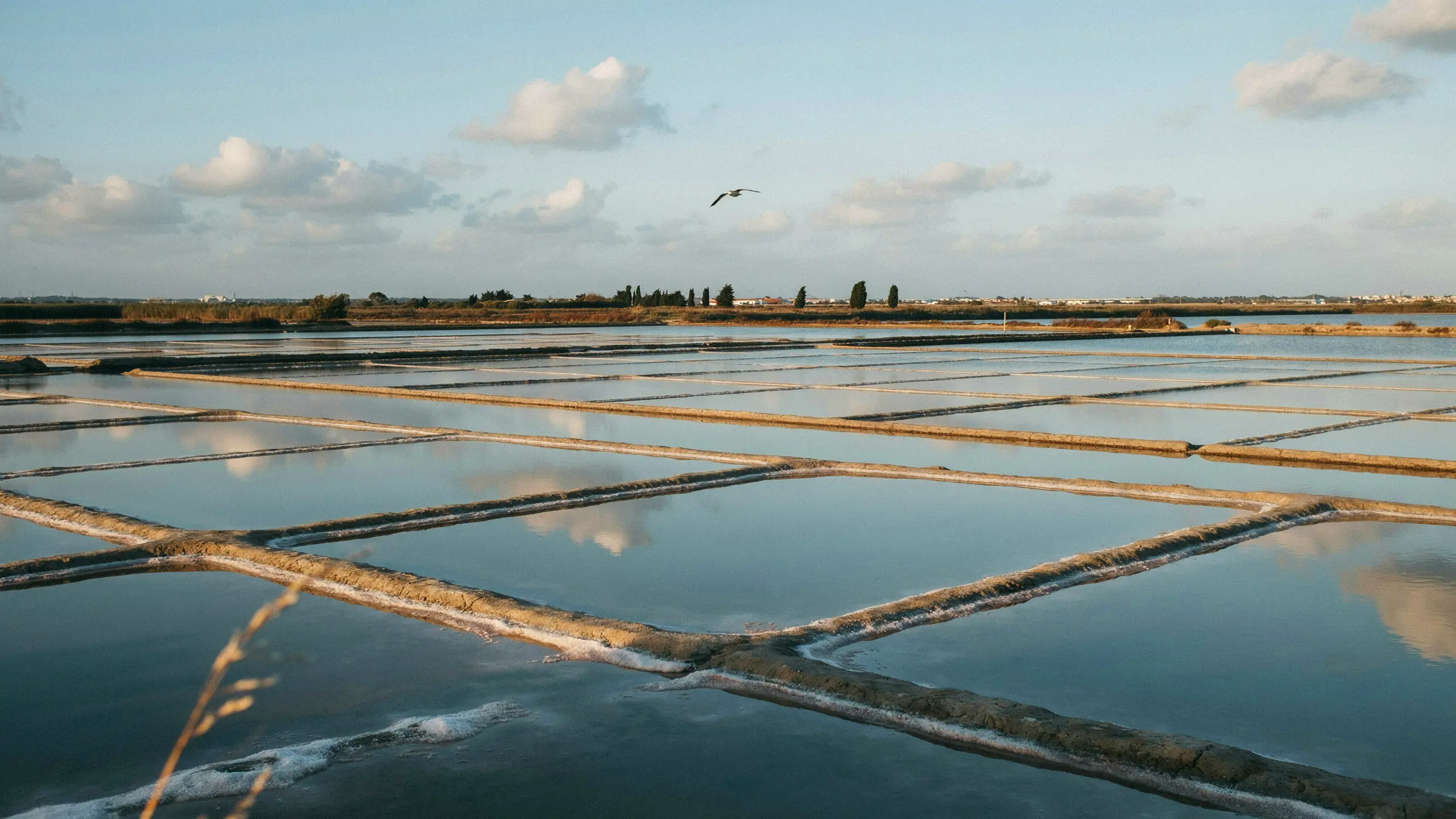
Le sel a aussi rendu possible l’essor du bacalhau, devenu emblème gastronomique national : sans salage, ce poisson pêché dans l’Atlantique Nord n’aurait jamais pu être transporté et conservé jusqu’au Portugal. Aujourd’hui encore, des salines actives à Aveiro, Tavira ou Castro Marim perpétuent ce savoir-faire ancestral, entre production artisanale de fleur de sel et tourisme patrimonial.
🇫🇷 Vous cherchez un professionnel qui parle votre langue ?
🇬🇧 Looking for a professional who speaks your language?
🇬🇧 Since Roman times, salt has held a central place in Portuguese history. At the Tróia archaeological site near Setúbal, more than 400 basins have been identified, evidence of a massive fish-processing and garum production industry. The town of Alcácer do Sal still carries this legacy directly in its name today.
Salt also made possible the rise of bacalhau, now a national culinary icon: without salting, this fish caught in the North Atlantic could never have been transported and preserved all the way to Portugal. Today, active salt marshes in Aveiro, Tavira, and Castro Marim keep this ancestral know-how alive, blending artisanal flor de sal production with heritage tourism.
Source : Portugal.fr