
🇫🇷 Algarve : la région étouffe sous ses déchets, le gouvernement mise sur l’incinérateur
🇬🇧 Algarve: The Region Is Drowning in Waste, and the Government Bets on an Incinerator
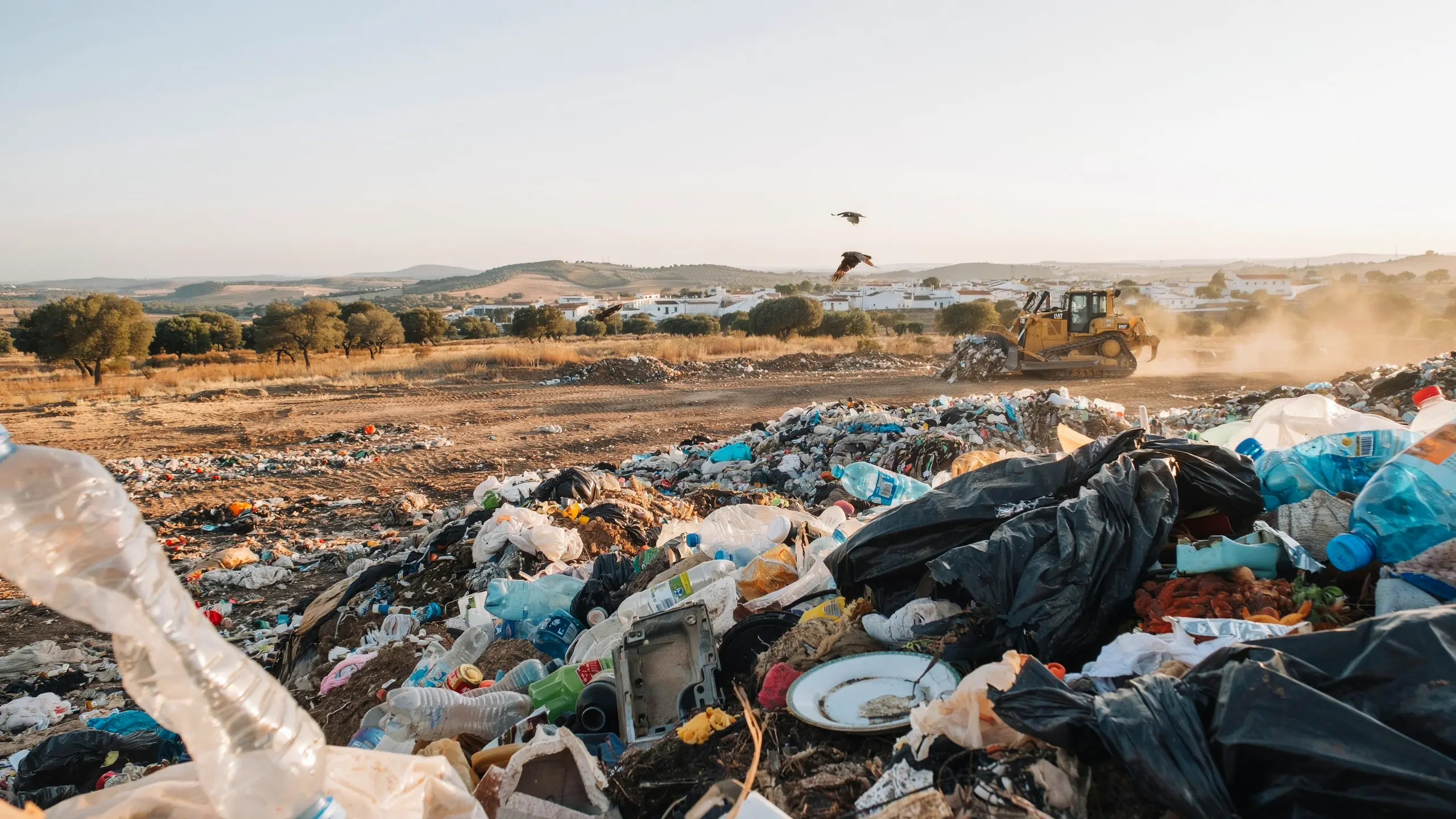
🇫🇷 L’Algarve produit plus de déchets que la moyenne nationale — logique pour une région qui vit du tourisme, sauf que les touristes de passage ne sont jamais comptés dans les statistiques officielles de population. Résultat : environ 400 000 tonnes de déchets par an, dont 85 % finissent en décharge, contre 56 % en moyenne au Portugal et un objectif européen de 10 % d’ici 2035. Les deux décharges de la région, à Loulé et à Portimão, arrivent au bout du rouleau : capacité maximale entre deux et sept ans selon les derniers ajustements.
Face à l’urgence, le gouvernement mise sur une unité de valorisation énergétique — comprendre : un incinérateur. Un concours pour en étudier l’emplacement et la technologie doit être lancé le 15 octobre. Mais l’idée est loin de faire l’unanimité : les associations environnementales, comme Zero, dénoncent un choix coûteux qui éloignerait le Portugal de ses objectifs de recyclage plutôt que de s’y rapprocher.
Pour qui vit dans la région, la question dépasse le débat technique : c’est celle de savoir où et comment finira, dans quelques années, le contenu de sa propre poubelle.
🇫🇷 Vous cherchez un professionnel qui parle votre langue ?
🇬🇧 Looking for a professional who speaks your language?
🇬🇧 The Algarve produces more waste than the national average — hardly surprising for a region that lives off tourism, except tourists passing through are never counted in the official population statistics used to calculate the average. The result: around 400,000 tonnes of waste a year, 85% of which ends up in landfill, compared with a national average of 56% and an EU target of 10% by 2035. The region’s two landfills, in Loulé and Portimão, are running out of room — with a maximum capacity of somewhere between two and seven years, depending on the latest projections.
Facing this urgency, the government is betting on an « energy recovery unit » — in plain terms, an incinerator. A tender to study its location and technology is due to launch on October 15. But the idea is far from unanimous: environmental groups such as Zero argue it’s a costly choice that would move Portugal further from its recycling targets rather than closer.
For anyone living in the region, this isn’t just a technical debate — it’s a question of where, and how, their own bin’s contents will end up a few years from now.
Source : RTP Notícias