
⚠️ 🇫🇷 Espagne : le burkini dans les piscines municipales, un vide juridique qui divise ville par ville
⚠️ 🇬🇧 Spain: Burkinis at Municipal Pools — A Legal Grey Zone Dividing City by City
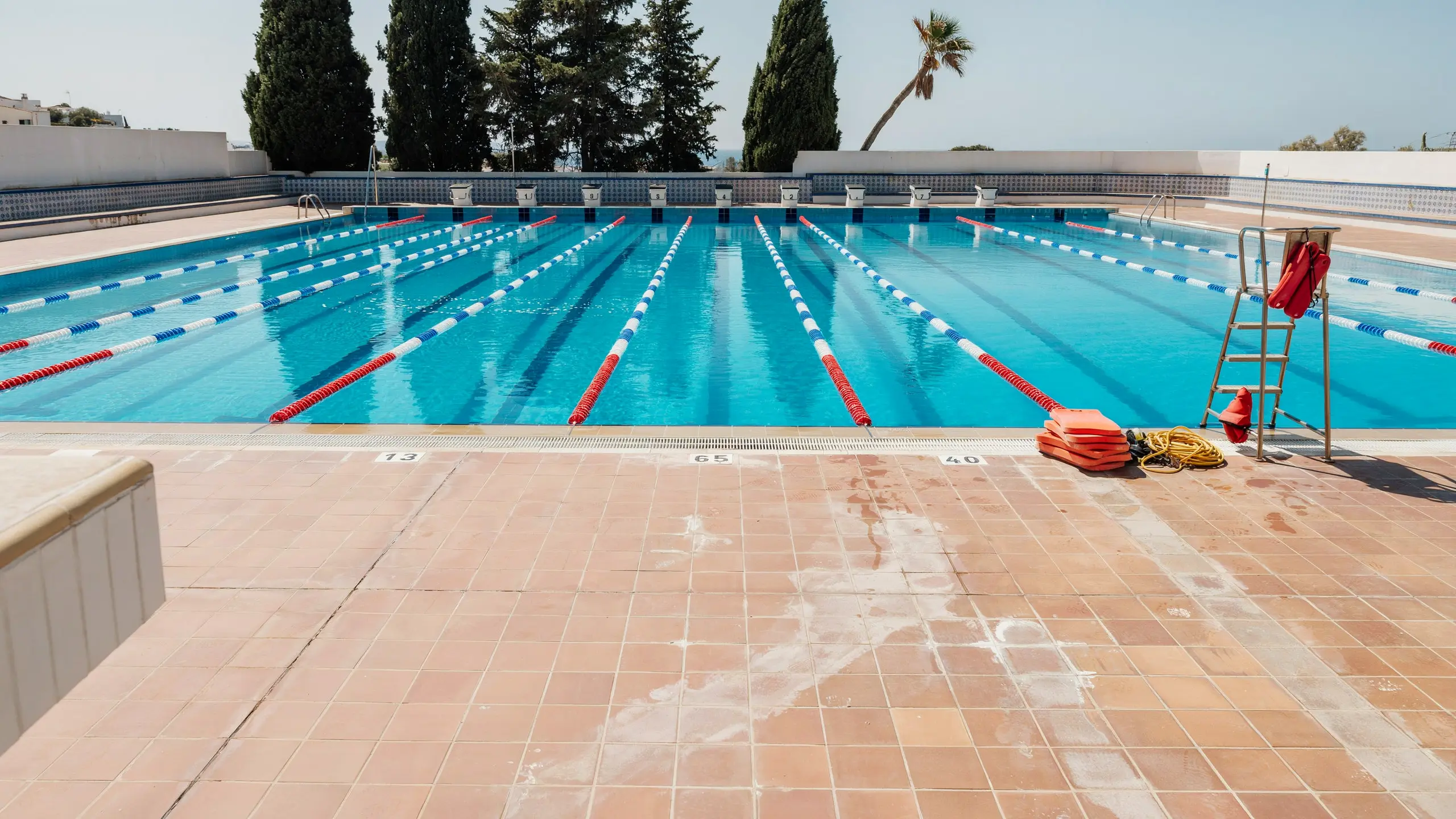
🇫🇷 Cet été, trois femmes ont été expulsées de deux piscines municipales de Burgos pour avoir porté un burkini — maillot de bain couvrant la quasi-totalité du corps, popularisé par certaines femmes musulmanes. La mairie, dirigée par le PP, a maintenu sa position : le règlement local interdit les « vêtements de ville », et selon les autorités municipales, le burkini y est assimilé pour des raisons d’hygiène et de sécurité (risques d’accrochage, résidus de lessive dans l’eau). Fait révélateur : le règlement ne mentionne jamais le mot « burkini » — c’est une question d’interprétation locale.
Le problème, c’est qu’il n’existe aucune loi nationale espagnole qui règle spécifiquement l’usage du burkini. Chaque commune fixe ses propres règles : Vitoria-Gasteiz, Barcelone ou Lleida l’autorisent explicitement comme tenue de bain « à usage technique », tandis que Ripoll (Catalogne) l’a récemment interdit par arrêté municipal. Résultat : une femme peut se baigner en burkini à 100 km de chez elle, et se faire expulser dans la commune voisine.
Sur le plan juridique, les avocats spécialisés en droits fondamentaux rappellent que la Constitution espagnole protège la liberté religieuse (article 16) et interdit toute discrimination fondée sur la religion (article 14). Mais ils soulignent aussi que ces droits ne sont pas absolus : ils doivent être mis en balance avec des motifs légitimes comme la sécurité ou l’hygiène — à condition que la restriction reste strictement proportionnée. Un précédent existe : en 2013, le Tribunal Suprême avait annulé une interdiction du voile intégral décidée par la mairie de Lleida, jugeant que les communes n’avaient pas la compétence pour restreindre un droit fondamental par un simple règlement local.
🇫🇷 Vous cherchez un professionnel qui parle votre langue ?
🇬🇧 Looking for a professional who speaks your language?
🇬🇧 This summer, three women were removed from two municipal pools in Burgos for wearing a burkini — a swimsuit covering nearly the entire body, popularised by some Muslim women. The city council, led by the PP, held its position: local regulations ban « street clothing, » and according to municipal authorities, the burkini falls into that category for hygiene and safety reasons (entanglement risk, detergent residue in the water). Tellingly, the regulation never actually mentions the word « burkini » — it comes down to local interpretation.
The core issue is that no Spanish national law specifically regulates burkini use. Each municipality sets its own rules: Vitoria-Gasteiz, Barcelona and Lleida explicitly allow it as a « technical » swimwear item, while Ripoll (Catalonia) recently banned it by municipal order. The result: a woman can swim in a burkini 100 km from home and be turned away in the next town over.
Legally, human rights lawyers point out that the Spanish Constitution protects religious freedom (Article 16) and bans discrimination based on religion (Article 14). But they also note these rights aren’t absolute — they must be weighed against legitimate concerns like safety or hygiene, provided any restriction remains strictly proportionate. There’s a precedent: in 2013, Spain’s Supreme Court struck down a full-face-veil ban issued by the Lleida city council, ruling that municipalities lack the authority to restrict a fundamental right through a simple local ordinance.
Source : RTVE VerificaRTVE